

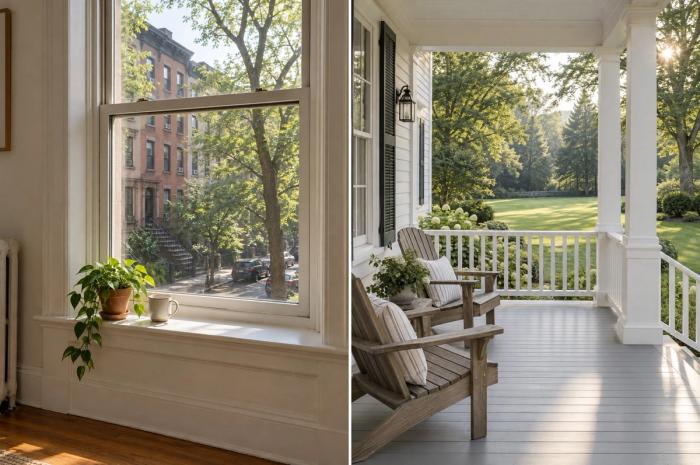
Why one broker for both sides
Selling an apartment or house in New York City and buying a home in New Jersey is really two transactions, in two states, with two sets of customs, and usually one down payment that depends on the first sale closing. Most people hire two agents who have never met and hope the dates line up.
There's a simpler way. Dmitry Khenkin is licensed as a broker in both New York and New Jersey, with offices in Sheepshead Bay and Livingston. Most of our Brooklyn work is for sellers; most of our New Jersey work is for buyers. So when a client needs to do both, one broker plans the whole move: pricing the sale, choosing the town, sequencing the contracts and keeping both closings on schedule.
This guide walks through how that works. It isn't legal or tax advice; for that, we'll introduce you to attorneys and accountants who handle these moves regularly. It's the plan we'd sketch out with you at the first meeting.
Three ways to sequence the move
- Option 1
Sell first, then buy
firm budget, strongest offer; need interim housing.
- Option 2
Buy first, then sell
one move; need to carry two homes or bridge financing (ask your lender).
- Option 3
Both at once
closings timed together; needs tight coordination.
How closings differ: New York vs. New Jersey
This guide is general information, not legal or tax advice. Rules and rates change; confirm the details of your transaction with your attorney. Last reviewed: September 2026.
Sources: N.J.A.C. 11:5-6.2 (attorney review) · NJ Realty Transfer Fee · NYC Real Property Transfer Tax.
| Topic | New York | New Jersey |
|---|---|---|
| Who drafts the contract | The seller's attorney drafts it, and the buyer's attorney reviews and negotiates it before anyone signs. The accepted offer itself isn't binding. | For one- to four-family homes, the agent usually prepares a standard form contract that both sides sign. It then goes to the attorneys for review. |
| Attorney review | No separate review period: the attorneys negotiate first, and the contract binds once both sides sign it and the deposit is paid. | Three business days after the signed contract is delivered, either side's attorney can approve it, ask for changes or cancel it. The rule is N.J.A.C. 11:5-6.2. |
| Co-op board approval | Common. A co-op buyer submits a board package with detailed financials, often has an interview, and the board can say no. Condos and houses have no board. | Co-ops are rare. Condominiums and HOA communities have their own documents and fees, but no board approval of the buyer. |
| Transfer taxes and closing costs | The seller usually pays the New York State transfer tax (0.4%) and, in NYC, the Real Property Transfer Tax (1% up to $500,000, 1.425% above, for 1–3 family homes, condos and co-ops). The buyer usually pays the "mansion tax" from $1 million. | The seller pays the Realty Transfer Fee. Since July 10, 2025, a sale above $1 million also carries a graduated fee of 1% to 3.5%, also paid by the seller. |
| Inspections timing | Usually before the contract is signed, since there's often no inspection contingency. | Usually after attorney review, under the inspection contingency in the contract. |
| Typical timeline | Set in the contract. Mortgage commitment, and for co-ops the board, drive the date. | Set in the contract: attorney review, then the inspection, mortgage commitment and closing dates. |
| SOP §442-H | Read our Standardized Operating Procedure | — |
Choosing the town
Where our New Jersey buyers have bought
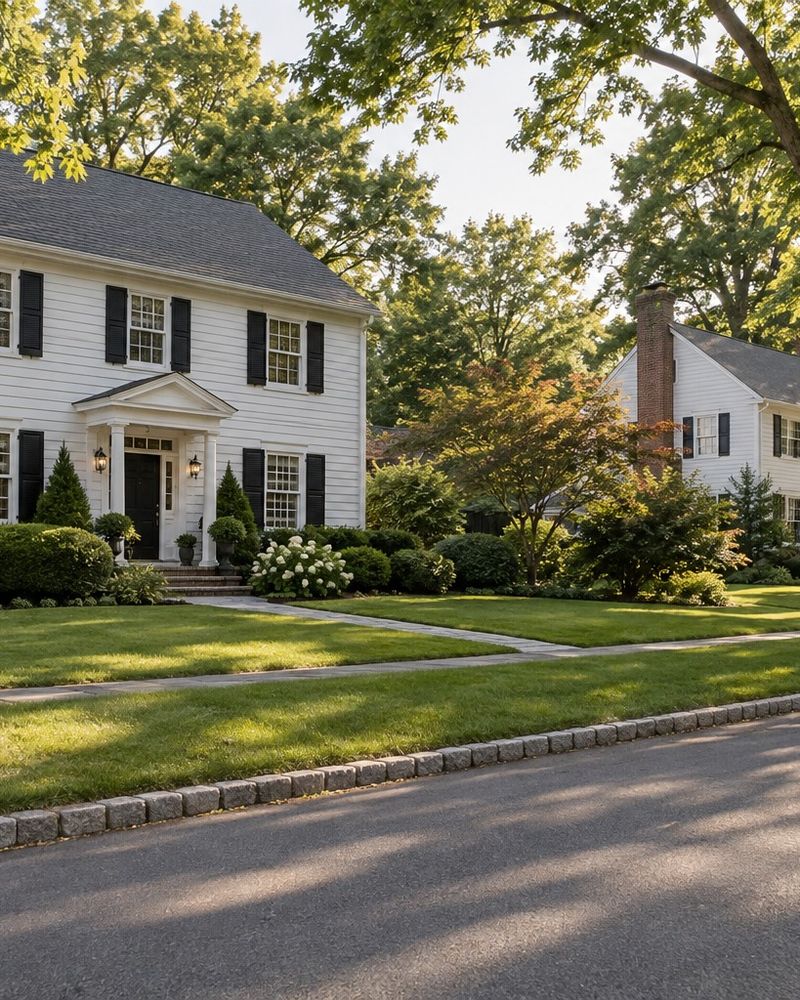
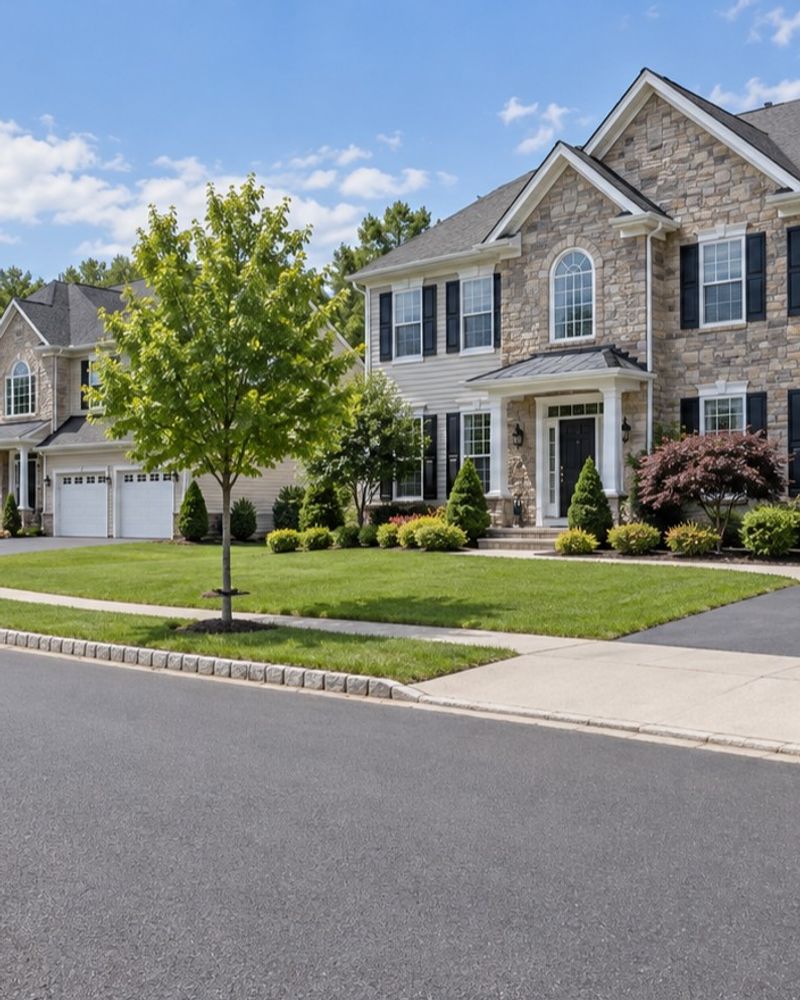
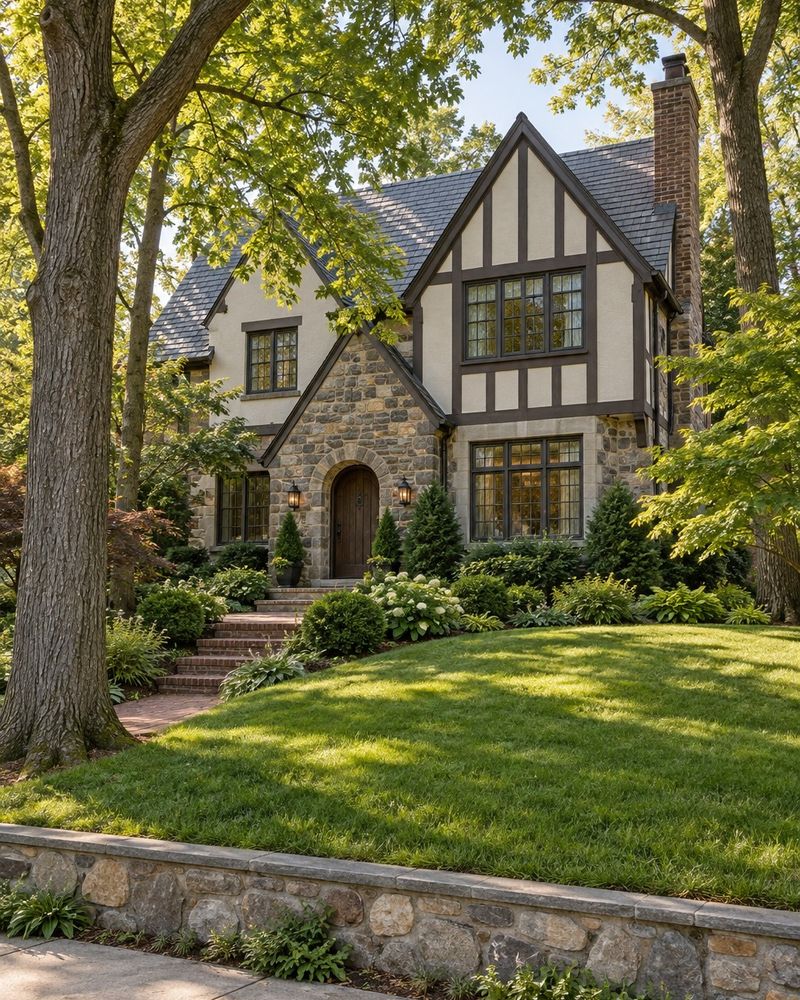
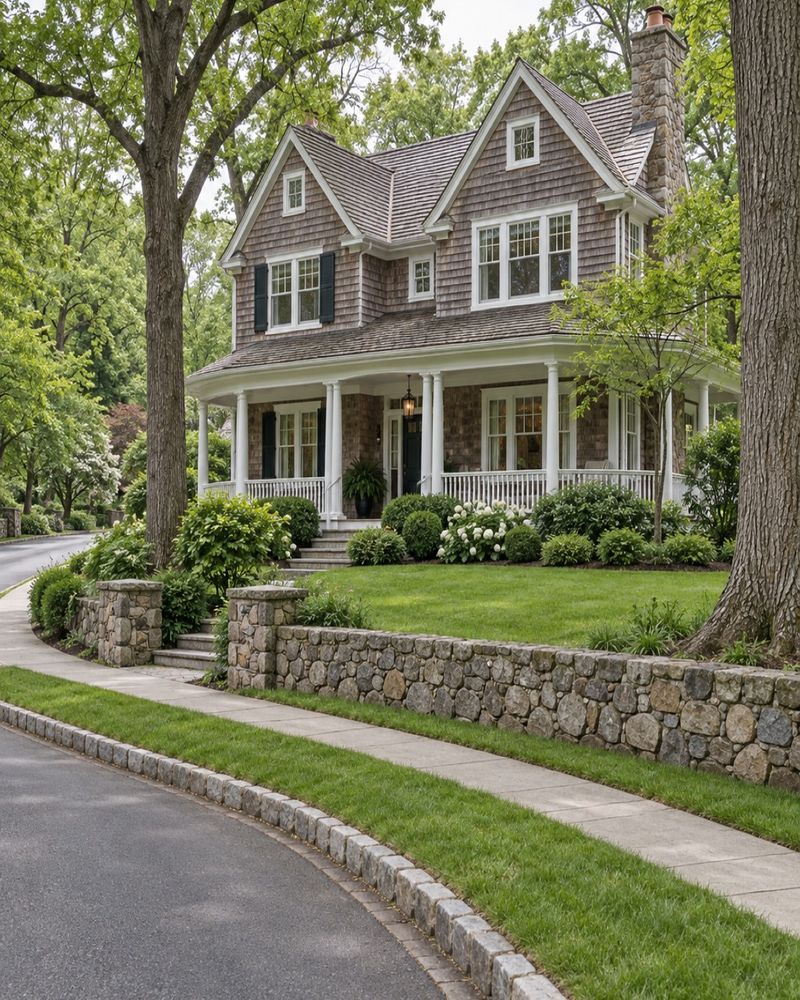
| Livingston | Marlboro & Morganville | Bergen County | Springfield & Millburn–Short Hills | |
|---|---|---|---|---|
| Property tax rate (2025)NJ Division of Taxation — 2025 General Tax Rates | General rate 2.531 per $100 of assessed value; effective rate 1.882% | Marlboro Township: general rate 2.564 per $100; effective rate 1.689% | Effective rates vary by town: Paramus 1.434%, Ridgewood 1.944%, Closter 2.017%, Fair Lawn 2.202% | Millburn: general rate 2.019, effective 1.571%. Springfield (Union County): general rate 2.411, effective 2.188% |
| Public schoolsNJ School Performance Reports | Livingston Public Schools. See the official School Performance Report. | Marlboro Township Public Schools; high school: Freehold Regional High School District. See the official School Performance Reports. | Each town has its own district; some share a regional high school. See the official School Performance Reports. | Millburn Township Public Schools; Springfield Public Schools. See the official School Performance Reports. |
| Train to ManhattanNJ Transit — Morris & Essex Lines timetable, as of 8/30/26 | – | – | – | Millburn and Short Hills stations, Morris & Essex Line, Midtown Direct to New York Penn Station. Example: weekday train 6614 leaves Millburn at 7:29 am and arrives at New York Penn at 8:03 am (34 min). |
| Our price rangeZillow sales record for Dmitry Khenkin, September 2026 | $485K–$2.46M | $360K–$975K | $120K–$2.48M | $210K–$710K |
- Property tax rate (2025)
- General rate 2.531 per $100 of assessed value; effective rate 1.882%
- NJ Division of Taxation — 2025 General Tax Rates
- Public schools
- Livingston Public Schools. See the official School Performance Report.
- NJ School Performance Reports
- Train to Manhattan
- –
- NJ Transit — Morris & Essex Lines timetable, as of 8/30/26
- Our price range
- $485K–$2.46M
- Zillow sales record for Dmitry Khenkin, September 2026
- Property tax rate (2025)
- Marlboro Township: general rate 2.564 per $100; effective rate 1.689%
- NJ Division of Taxation — 2025 General Tax Rates
- Public schools
- Marlboro Township Public Schools; high school: Freehold Regional High School District. See the official School Performance Reports.
- NJ School Performance Reports
- Train to Manhattan
- –
- NJ Transit — Morris & Essex Lines timetable, as of 8/30/26
- Our price range
- $360K–$975K
- Zillow sales record for Dmitry Khenkin, September 2026
- Property tax rate (2025)
- Effective rates vary by town: Paramus 1.434%, Ridgewood 1.944%, Closter 2.017%, Fair Lawn 2.202%
- NJ Division of Taxation — 2025 General Tax Rates
- Public schools
- Each town has its own district; some share a regional high school. See the official School Performance Reports.
- NJ School Performance Reports
- Train to Manhattan
- –
- NJ Transit — Morris & Essex Lines timetable, as of 8/30/26
- Our price range
- $120K–$2.48M
- Zillow sales record for Dmitry Khenkin, September 2026
- Property tax rate (2025)
- Millburn: general rate 2.019, effective 1.571%. Springfield (Union County): general rate 2.411, effective 2.188%
- NJ Division of Taxation — 2025 General Tax Rates
- Public schools
- Millburn Township Public Schools; Springfield Public Schools. See the official School Performance Reports.
- NJ School Performance Reports
- Train to Manhattan
- Millburn and Short Hills stations, Morris & Essex Line, Midtown Direct to New York Penn Station. Example: weekday train 6614 leaves Millburn at 7:29 am and arrives at New York Penn at 8:03 am (34 min).
- NJ Transit — Morris & Essex Lines timetable, as of 8/30/26
- Our price range
- $210K–$710K
- Zillow sales record for Dmitry Khenkin, September 2026
“I recently had the pleasure of partnering with Dmitry for selling our Staten Island home and purchasing a new one in NJ. I’m truly impressed by his service—it’s top-notch, white-glove treatment.…”
Money: what to line up early
Two deals in two states usually share one pot of money: the equity from your New York home becomes the down payment in New Jersey. Getting the numbers in order early is what keeps both closings on schedule.
Get pre-approved for the New Jersey purchase first. A lender will tell you what you can borrow with and without the proceeds from your sale. That second number matters: it tells you whether you can make an offer before your sale closes.
Estimate your net proceeds. Start from a realistic sale price (we'll prepare a comparative market analysis), then subtract the mortgage payoff, the broker's commission, attorney fees, New York transfer taxes and, for a co-op, any flip tax or transfer fee the building charges. Your attorney can confirm the exact figures.
Ask your lender about bridge options. If you want to buy before you sell, some lenders offer bridge loans or let you borrow against your current home. Terms vary, so compare them in writing.
Budget for New Jersey's carrying costs. Property taxes in New Jersey vary widely from town to town, so they belong in your monthly budget from the start. We look up the tax on every house you consider.
Keep documents ready. Recent pay stubs, tax returns, bank statements and, for the sale, your deed or co-op share certificate and the building's contact for the managing agent.
This is a checklist, not tax or legal advice. We'll introduce you to attorneys and lenders who handle this move regularly.
A realistic timeline
Every move is different, but the order of steps is almost always the same. Here's how we plan it with clients who sell in New York and buy in New Jersey at the same time.
1. Plan (before anything is listed). Pre-approval for the purchase, a price range for your sale, a shortlist of towns, and a decision on the sequence: sell first, buy first, or both at once.
2. Prepare and list the New York home. Repairs, photos, the listing. For a co-op, we request the building's board package requirements early so your buyer isn't held up.
3. Search in New Jersey while the sale is on the market. Tours, a short list, and an offer when the right house comes up, timed so the closing date can follow your sale.
4. Two contracts. New York: the attorneys negotiate, then the contract is signed with the buyer's deposit. New Jersey: the signed contract goes through three business days of attorney review, then the inspection.
5. Approvals. Your buyer's mortgage and, for a co-op, the board. Your own mortgage commitment in New Jersey.
6. Closing dates. We set them together with both attorneys, usually with the New York sale first so the proceeds can fund the purchase. If you need a few days in between, a short stay in your home after the sale closes can be negotiated.
7. Move. Final walk-through in New Jersey, keys, and the moving truck.
Questions to ask before you list
Before you sign a listing agreement in New York, ask any broker, including us:
- What have homes like mine sold for in the last few months, and how long did they take?
- What would you fix before listing, and what would you leave alone?
- How will you market it: photos, the MLS, the major home-search sites, open houses?
- How do you qualify buyers before they come through?
- If I'm buying in New Jersey too, how will you coordinate the two closing dates?
- For a co-op: what does the board require from a buyer, and how long does it usually take?
- Who will I actually be dealing with day to day?
Talk it through
Every move like this starts with the same conversation: what you own, where you want to be, and when. Bring your questions and we'll sketch the plan with you, including the order of the two deals, a price range for your sale and a shortlist of towns. In English or Russian, at our Sheepshead Bay or Livingston office or by phone. Call (347) 201-0594 or send a message.